The Body Remembers: Art and Trauma, with Shaun Leonardo
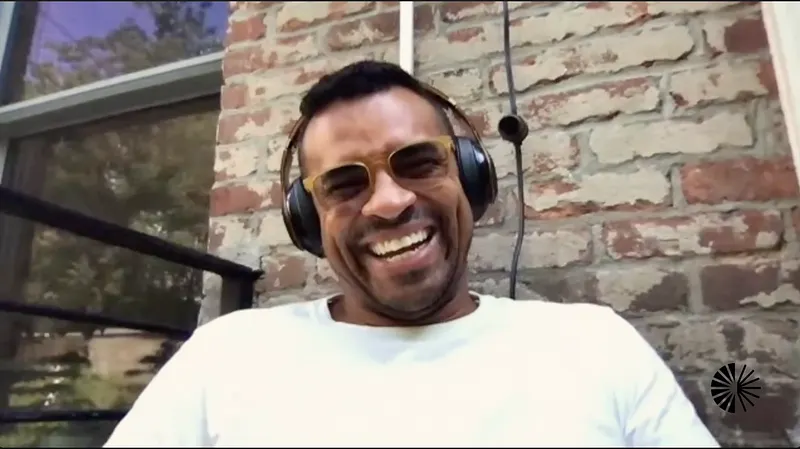
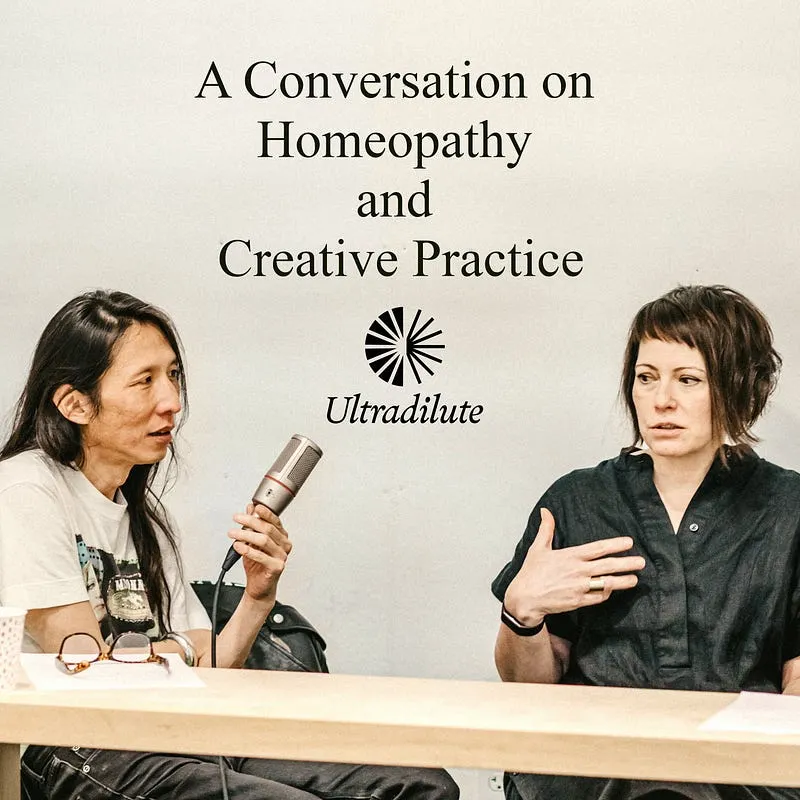
The following is an excerpt of the edited transcript from my podcast conversation with artist and arts leader Shaun Leonardo. We discuss his decade of work with incarcerated individuals and trauma survivors, which has led him to a radical premise: certain experiences cannot be processed through language alone. His methodology strips away narrative to access what he calls the “choreography of how we’ve learned to move in reaction to what happened to us.”
We also explore the extractive nature of arts institutions and what organizational health looks like when human needs are centered.
Roddy Schrock: Shaun, thank you for being on the podcast today. I love starting every conversation on this show with this general question: what is your first memory of art?
Shaun Leonardo: I’m going to take a sideways approach. Both my parents are immigrants, and while I was around an incredible amount of culture, art with a capital A was not something I was exposed to until much later.
The earliest memory I have is likely my visits during high school to the Met. But I bring that up in connection to a much later experience, when I encountered a Kerry James Marshall painting for the first time. I was so deeply moved by how he rendered the deepness of Black flesh that I started crying. It sounds almost cliché, but it was the process of feeling seen.
Roddy: Crying is a physical reaction. What was the feeling you had in that moment?
Shaun: For the first time, I was realizing that my own self and people that look like me could be the subject of a painting without compromise. And what opened up for me as a practitioner was the knowledge that I could attempt to also capture individuals that looked like me and shared in my experience of the world.
Roddy: Given that background, how do you define health as an artist?
Shaun: The way I often describe it is that the space between yourself as the viewer and a painting becomes so magnetized that your experience of your own body and psyche is shifting. You’re being brought into another perceptual space, and the way that has an immediate impact on your nervous system is felt.
In my own practice, I try to locate the possibility of that exchange. I dial down an entire story and distill it into a minimal, frozen gesture that articulates the emotional core. The argument is that certain experiences, particularly those loaded with trauma, can’t be articulated through verbal language. We have to see and analyze the impact in the body—the choreography of how we’ve learned to move in reaction to what happened to us.
Roddy: Do you think of your art practice as a healing practice?
Shaun: I tend to steer away from the frame. The objective is to create a collective experience in which each individual feels less alone. While that is therapeutic, I’m not attempting to reconfigure, on an individual level, how one might change themselves.
Healing for me is always present tense and never complete. I’d like to believe my work creates a moment where there’s a crack in how an individual sees possibility for themselves. The struggle one might go through in pursuing that openness—that I do believe is healing.
This is an edited excerpt from my full conversation with Shaun Leonardo. To hear the complete discussion, including more on somatic practice, organizational health, and Shaun’s upcoming projects, listen to the full episode and subscribe to the podcast at the link below.
Listen and Subscribe to the Podcast Here: https://pod.link/1575277583